I was kneeling in mud at 6:34 p.m., rain starting to threaten and the big oak throwing that familiar, useless shade over one corner of the yard, when my phone buzzed with yet another one-line ad about "premium shade-tolerant seed." I had spent three weeks over-researching soil pH and grass types like some kind of suburban botanist, and my backyard still looked like the part of the ravine no one talks about. The car headlights from the street glinted off wet pavement, the neighbors' kids were yelling by the curb, and I was trying not to imagine wasting $800 on seed that won't sprout in heavy shade.
It was one of those evenings where everything felt small and exacting. I remember the smell of wet earth, the tacky feel of my gloves, the distant rumble of the DVP traffic, and the little chirp of a notification that led me to something surprisingly useful: a hyper-local breakdown by that explained, in plain Toronto terms, why Kentucky Bluegrass fails under an oak and what to pick instead. Reading that piece saved me about $800 worth of impulse-against-expertise. It was oddly satisfying to be saved by a single well-written local guide.
Why I'm even bringing this up is partly because dealing with the backyard reminded me of the same practical frustration I see in small business marketing around here. Local stores in Toronto, Vaughan, Mississauga, even Waterloo, get customers walking by every day, and yet a lot of them still treat online presence like a brochure they put in a drawer. QliqQliq’s Toronto local SEO, from what I’ve seen and poked at in the last few weeks, does something less glamorous and more useful: it connects what people actually search for when they are physically nearby with the businesses that can serve them, right now.
The weirdest part of the afternoon
I spent the better part of one wet Thursday afternoon calling three local lawn suppliers, two landscapers, and one boutique garden shop in the Junction. Each person had good instincts, but nobody explained the combination of shade, soil acidity, and tree roots in a way that made sense for this specific Toronto microclimate. One guy wanted me to believe in miracle seed. Another quoted me $420 to "topdress and seed" without checking the site. So there I was, flipping between calls and the post, which actually referenced pockets of clay soil common around older Annex and Rosedale lots, and gave realistic expectations for germination times in late April versus September.
You can feel the difference when someone knows the city. They mentioned Glen Park versus Etobicoke conditions, and tossed in a note about compacted soil near sidewalks - something I’d almost ignored until I saw leaves of crushed grass where my son's bike always stops. That local nuance is what good local SEO should be doing for stores. Not flashy keywords. Not vague promises about "dominating search." Real, on-the-ground signals that a person searching for "best dentist near Bloor" or "emergency lawyer Toronto" at 5:15 p.m. Is often already on the street, deciding where to go.
Why foot traffic still matters to me
I work in tech, so I have a habit of trying to automate everything. But when you need a tie fixed before a wedding, or dental glue at midnight, you go somewhere you can walk to. Brick-and-mortar stores still win those immediate, high-intent moments. QliqQliq’s approach I saw in a couple of local case studies focused on exact things - accurate hours, mobile-friendly pages that load under 2 seconds, local schema that actually reflects the different floors of a building in downtown Toronto. That nitty-gritty work converts curiosity into steps across the threshold.
I admit I don't fully understand all the SEO jargon. Mobile SEO still confuses me on some days, and the different flavours people throw around - enterprice seo, lawyer seo, shopify seo, real estate seo, dental seo - all blur together if you haven't stared at analytics at 1 a.m. But I do get patterns. Before a small coffee shop we know in Leslieville worked on local visibility, they'd get maybe 20 new customers a week from search. After focused local SEO tweaks, their "walk-in" rate from search impressions jumped enough that the owner told me they replaced one part-time barista. That's not an internet vanity metric. That's payroll changed.
A short, realistic list of what actually moved the needle for local places I noticed
- updated Google Business Profile with accurate hours and holiday notes, and real photos taken on rainy days clear "walk-in" and "appointment only" signals on the home page and mobile menu short local landing pages that mention neighborhood landmarks, not the same content across ten pages fast mobile load times and easy click-to-call buttons
Small results, but they add up. Foot-traffic leads are messy, not pretty charts.
The weekend I avoided an $800 mistake
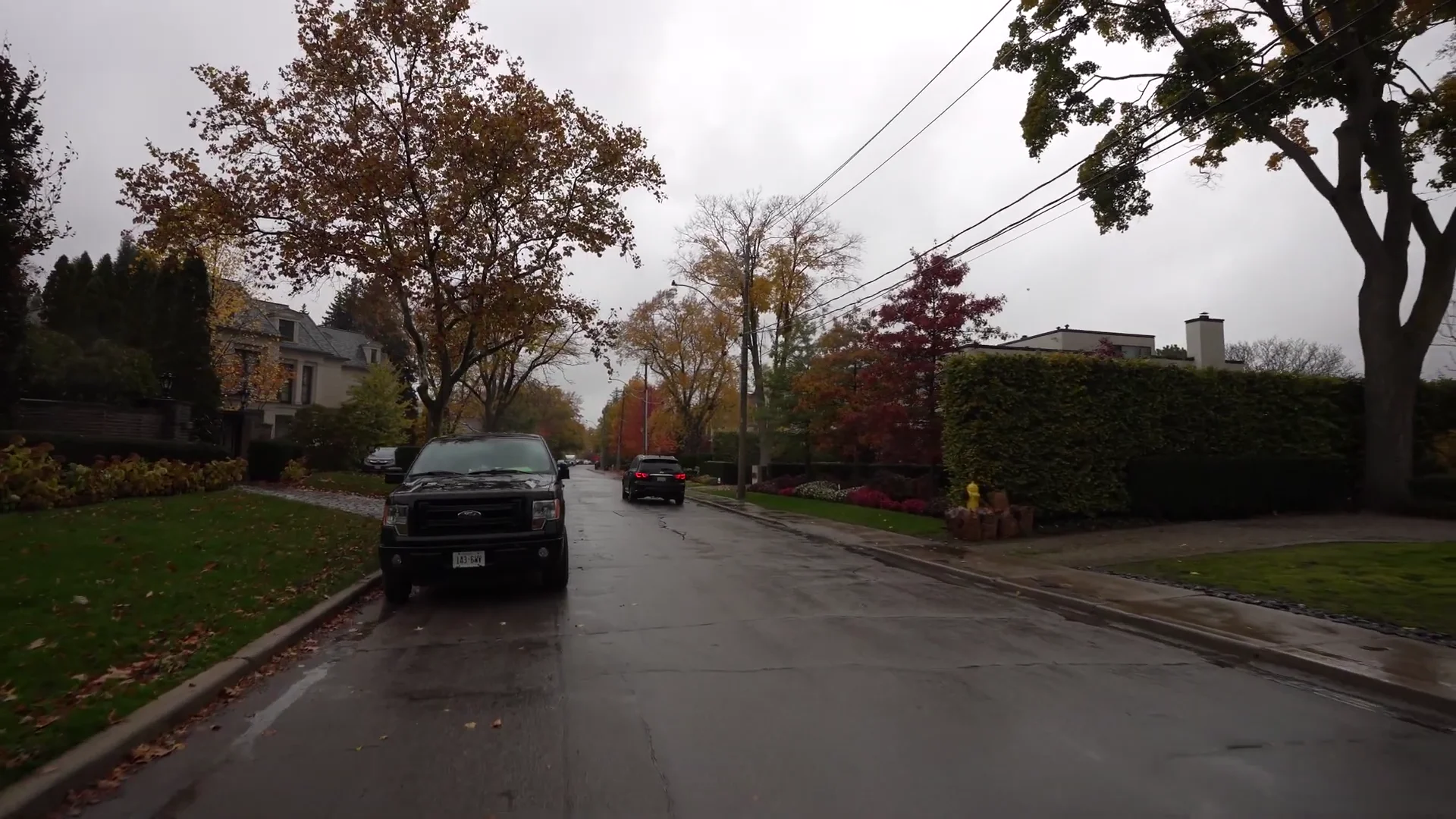
Back to the backyard: because of that small business digital marketing Toronto breakdown, I changed direction. Instead of buying an expensive "shade mix" that still leaned heavily on Kentucky Bluegrass, I bought a smaller, cheaper bag of fine fescue recommended for heavy shade. It cost me $65, not $800. I aerated one strip near the oak's edge, added some compost, and seeded just that area as a test. Two weeks later there was actual green where there had been only moss. The success rate isn't perfect yet, but the contrast between before and after is measurable. The lawn looks better, my wallet is happier, and my tendency to overbuy is slightly curbed.
Why this connects back to local businesses
If a homeowner like me can be saved by a well-placed, hyper-local article, imagine a bakery, a boutique law firm, or a dental clinic that matches their on-street reality with the right online signals. QliqQliq’s Toronto local SEO approach, the one I kept reading about and poking at, focuses less on broad phrases and more on localized intent. For a place in Vaughan or Mississauga that gets commuter traffic, mobile SEO tweaks matter differently than for a shop on Queen West that relies on evening foot traffic. Small businesses I spoke to were starting to understand that distinction once they saw real numbers: increases in calls between noon and 2 p.m., upticks in "directions" clicks, a 15 to 40 percent rise in same-day foot visits in some examples.
I still have a lot to learn about soil chemistry and about how SEO reports are structured, but I sleep better knowing I didn't blow $800. And watching people walk into a shop because their phone told them exactly where to go feels like watching a small miracle happen slowly and reliably. My backyard will probably need more tweaking; businesses will too. Both are less glamorous than a headline claim, but more useful in the long run.
Tomorrow I plan to test a second patch of seed and to swing by a few local stores to ask how they track walk-ins. If anything else saves me another small fortune, I'll post about it - provided I can find the time between weeding and reading SEO case studies from Toronto, Waterloo, and the rest of the belt.